WHAT WE ARE explores themes of truth vs. comfort, historical memory, and belonging—and will spark meaningful discussion with teen readers. Reach out to learn more about interactive author talks, writing workshops, and book club discussions tailored for students in grades 7–12.
Truth, Comfort, and the Stories We Erase
In this interactive author talk, Lynn McIntyre discusses how imagining an alternate end to the Civil War opened questions about identity, power, and historical memory. Through readings, discussion, and student questions, teens explore how stories shape societies—and what happens when those stories are controlled. The session encourages critical thinking, civic awareness, and creative engagement with history.
Formats available:
45-minute talk + Q&A
Writing workshop
Book club discussion
email whatwearethebook@gmail.com for more information
Why should students read WHAT WE ARE?
CRITICAL THINKING. HISTORICAL CURIOSITY.
What if the Civil War ended differently?
In an alternate version of America, the great experiment failed. The country splinters into new nations, each determined to avoid future conflict.
Their solution is radical: erase the very identities that once divided them. Culture, religion, and heritage are stripped away in the name of unity. Remembering the past becomes an act of rebellion.
In this moment of carefully engineered peace, history is something to be avoided—not questioned. But when cracks begin to appear in the official story, young people are forced to confront truths they’ve been taught to ignore.
This young adult speculative history explores the tension between comfort and truth, safety and selfhood. It asks what happens when peace depends on forgetting—and whether a society built on erasure can ever truly heal. Perfect for readers who enjoy thought-provoking alternate histories and morally complex worlds, this novel invites discussion about identity, power, and the stories we choose to preserve.
Teacher Lesson plans available!
—SNAPSHOT OF WISCONSIN STATE STANDARDS ADDRESSED—
English Language Arts (Wisconsin / CCSS-Aligned)
RL.8–12.2
Analyze central themes and how they develop across a text
(Identity, erasure, moral compromise)
RL.8–12.6
Analyze point of view and its impact on meaning
(Official history vs. lived truth)
W.8–12.1
Write arguments supported by textual evidence
(Truth vs. comfort debates)
Social Studies (Wisconsin Standards)
SS.Hist.1
Use historical evidence to analyze cause and effect
(Alternate Civil War outcomes)
SS.Hist.3
Analyze multiple perspectives and narratives
(Who controls history?)
SS.Civics.1
Evaluate how laws and policies affect groups
(Unity policies, erasure, power structures)
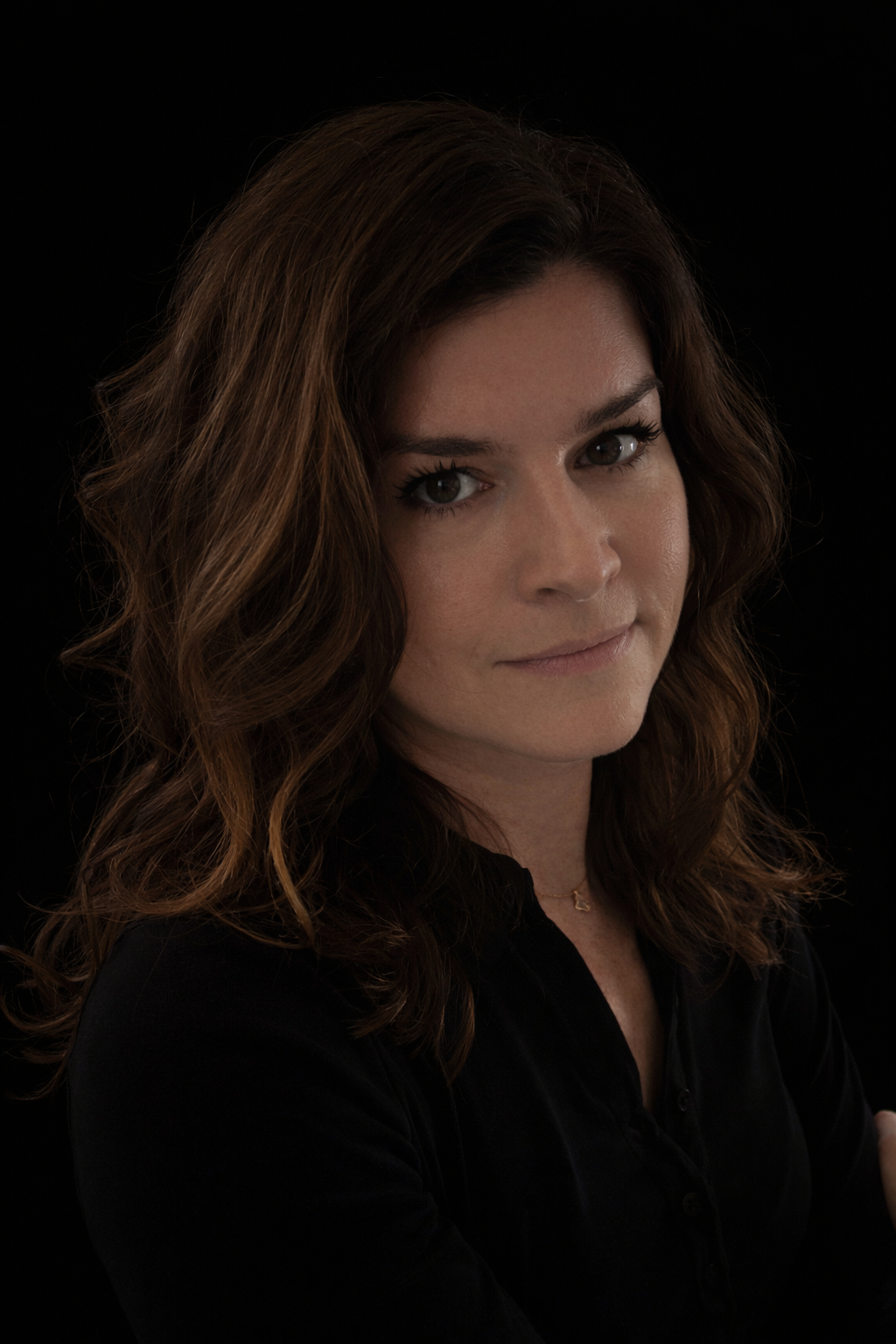
Lynn McIntyre
whatwearethebook@gmail.com